
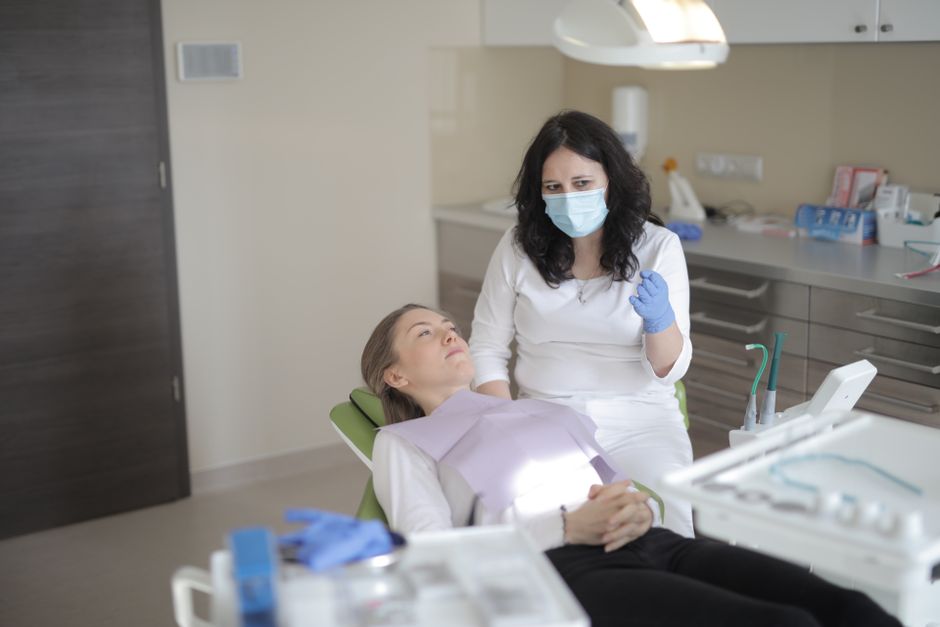
Yes, a smoker can have dental implants, but smoking is one of the clearest risk factors for an implant failing, and several NHS hospital services refuse to place implants in current smokers at all. This guide sets out what the published research found, what the NHS trusts we checked actually say, and what to ask a private clinic if you smoke and want implants.
We read each source linked below in full before writing this. Where a figure comes from a study, we name the study. Where we could not find a reliable UK source (for example on vaping), we say so rather than fill the gap with a guess. For the wider list of problems that can follow implant surgery, see our guide to dental implant complications and risks.
Can you get dental implants if you smoke?
We found no rule that bars a private dentist from placing an implant in a smoker. The decision sits with the clinician, who has to weigh the higher risk against the benefit to you. The NHS is stricter. Guy’s and St Thomas’ NHS Foundation Trust says it strongly recommends that you try to stop smoking and remain a non-smoker in the long term, and lists smoking among the reasons the implant might not join properly with the jawbone.
Two things are worth separating:
- Private treatment: a decision between you and the clinic, and policies vary from one clinic to the next, so ask for yours in writing.
- NHS treatment: already rare (the NHS says implants are usually only available privately and are expensive), and in the hospital services below, being a current smoker rules you out.
What the NHS services we checked say about smokers
These are three NHS sources that publish their position. They are hospital or trust documents, so they describe the rules for those services, not a national NHS rule.
| Source | What it says about smoking | What else it says |
|---|---|---|
| Cambridge University Hospitals | Smoking is a significant risk factor to failing implants, and smokers have a much greater failure rate. Patients who smoke are expected to stop at least six months before starting implant treatment. | NHS funding for implants is limited and strict criteria have to be met. |
| Leeds Teaching Hospitals (referral criteria) | Patients will not be offered treatment if they are a current smoker. | Implants only for a limited selection of cases: developmental disorders, trauma, head and neck cancer, and severe denture intolerance. Also excluded: no registered dentist, poor oral hygiene, active decay or gum disease. |
| NHS Tayside, Dundee Dental Hospital (patient leaflet) | Smoking is listed first among the things that could stop you getting implants on the NHS. Smoking and alcohol delay wound healing and should be avoided for 3 days after surgery. | Priority groups follow Royal College of Surgeons guidelines. Healing around the implant takes 2 to 6 months. |
The six-month figure belongs to the Cambridge service. We did not find a national NHS or professional-body rule that sets one quitting window for every clinic, and private clinics set their own. Treat any single number you read online, including from clinic blogs, as that clinic’s policy unless it names a source.
What the research says about smoking and implant failure
A 2021 round-up in Dentistry.co.uk, Research update: implant dentistry and nicotine use, summarises three studies published in 2020 and 2021. We have used their reported figures below, and you can check the detail at that link.
Heavy smokers: higher risk that rises with the number of cigarettes
Naseri, Yaghini and Feizi (2020, Journal of Clinical Periodontology) pooled 23 articles. Heavy smokers, defined as more than 20 cigarettes a day, had a higher risk of implant failure than non-smokers: a relative risk of 2.45 counting each implant, and 4 counting each patient. The authors concluded that the risk rose with the number of cigarettes smoked per day. In plain terms, a patient who smokes heavily was roughly four times as likely as a non-smoker to lose at least one implant in the studies pooled.
Long-term follow-up: the upper jaw stands out
Windael and colleagues (2020, Journal of Clinical Medicine) followed 453 implants in 121 patients for an average of just over 11 years. Across all patients, 33 implants failed, a survival rate of 92.7% per implant and 82.6% per patient. Implants in smokers’ upper jaws had a 5.64 times higher hazard of being lost than implants in non-smokers. Smokers also lost significantly more bone in the upper jaw, but not in the lower jaw. Smokers had a 2.6 times higher risk of peri-implantitis, though that result fell just short of statistical significance (p = 0.053). The authors advised that quitting be encouraged and maintained after placement, not only before it.
Healing: the first weeks decide a lot
Badenes-Catalán and Pallarés-Sabater (2021, Journal of Oral Implantology) measured stability in 194 implants in 114 patients. Smoking did not change how stable the implant was at placement, but it was linked to a clear drop in stability later on, during the period when bone should be bonding to the implant. So the surgery itself can go well and the difference appears during healing.
Two limits on all of this. These are group averages, so they cannot tell you what will happen to you. And the figures above come from one summary article, so if you are making a decision, ask your dentist to explain how your own mouth changes the picture. Our article on peri-implantitis, the gum infection that can destroy bone around an implant, covers the long-term problem smokers are most exposed to.
How smoking affects each stage of treatment
- Healing after surgery. The Dundee leaflet says smoking delays wound healing and should be avoided for 3 days after surgery at the very least. That is the minimum for a routine case, not the whole picture.
- Bonding to the bone. The implant needs to fuse with the jawbone over a period the Dundee leaflet gives as 2 to 6 months. The 2021 stability study above suggests smoking interferes with this stage.
- Bone grafts. If you need extra bone first, there are two surgeries to heal from. Our bone graft guide explains when this is needed.
- Years later. The long-term study followed patients for over 11 years and found higher failure and more upper-jaw bone loss in smokers, and its authors advised that quitting be maintained after placement.
For what recovery normally looks like week by week, see our implant aftercare and recovery timeline.
What about vaping and nicotine replacement?
We did not find a UK NHS page or professional-body statement that settles this, and the research summary above reports no findings on vaping. Several clinic websites say they ask patients to pause all nicotine, but none of those pages gave a source we could check, so we are not going to repeat their advice as fact.
What you can do is tell the clinic exactly what you use (cigarettes, roll-ups, vapes, patches, gum) and ask what their policy is for each. If a clinic gives you a firm rule, ask what it is based on.
What to ask a private clinic if you smoke
Bring these to your consultation. They sit alongside the general list in our guide to implant consultation questions and red flags.
- Do you treat patients who currently smoke, and on what conditions?
- How long do you want me to stop before surgery, and for how long after? What is that based on?
- How does smoking change my individual risk, given where the implant would go (upper or lower jaw) and how much bone I have?
- Does my plan change if I vape or use nicotine patches or gum?
- If an implant fails because I started smoking again, what happens to the cost of replacing it? Please put the answer in writing.
- How often will you review my implants after treatment, and will you check my gums for infection at each visit?
A clinic that never asks whether you smoke has skipped part of the risk assessment, because every NHS source above treats it as a significant factor. A clinic that promises the same result for smokers and non-smokers is not describing the research. Also check the dentist who will place the implant on the General Dental Council register before you commit.
If you want to stop smoking before treatment
The NHS offers a free personal quit plan and a free quit smoking app on its Better Health quit smoking page. Guy’s and St Thomas’ also points implant patients to its own stop smoking service. Your dentist or GP can refer you to local support. If you are weighing up whether an implant is worth the effort, our comparison of implants versus dentures and our guide to how long implants last help set the stakes.
Smoking is not the only health factor clinics look at. Our guides cover implants with diabetes or osteoporosis and implants on blood thinners. If NHS treatment is what you are hoping for, read NHS dental implants: who qualifies first.
Frequently asked questions
Can smokers get dental implants in the UK?
Yes, privately, at the dentist’s discretion. The risk of failure is higher in smokers, so clinics may set conditions such as stopping before and after surgery. Some NHS hospital services will not offer implants to current smokers: Leeds Teaching Hospitals says patients will not be offered treatment if they are a current smoker.
How long should I stop smoking before a dental implant?
There is no single UK-wide rule that we could find. Cambridge University Hospitals expects patients to stop smoking at least six months before starting implant treatment. Private clinics set their own windows, so ask yours what it requires and why.
Do dental implants fail more often in smokers?
In the studies summarised by Dentistry.co.uk, yes. A meta-analysis of 23 articles found a higher risk of implant failure in heavy smokers, rising with the number of cigarettes per day. A long-term study found implants in smokers’ upper jaws had a 5.64 times higher hazard of being lost.
Can I smoke after getting dental implants?
The Dundee Dental Hospital leaflet says smoking delays wound healing and should be avoided for at least 3 days after surgery. The long-term research and Guy’s and St Thomas’ both advise staying a non-smoker in the long term, because smoking raises the risk of complications later.
Do I need to stop vaping too?
We found no verifiable UK source on vaping and implants. Tell your clinic everything you use and ask for its policy and the reason for it.
Summary of what we verified
Every NHS source above agrees that smoking raises the risk of implant failure, and the research round-up reports higher failure rates in heavy smokers and in smokers’ upper jaws. What no source gave us is one fixed quitting window or a rule on vaping. If you smoke, the most useful step is to ask your clinic for its policy in writing and to get help stopping before surgery. Our UK dental implant cost guide has the price side once you are ready to compare clinics.
This guide is general information, not medical advice. Your dentist can assess your own risk.