
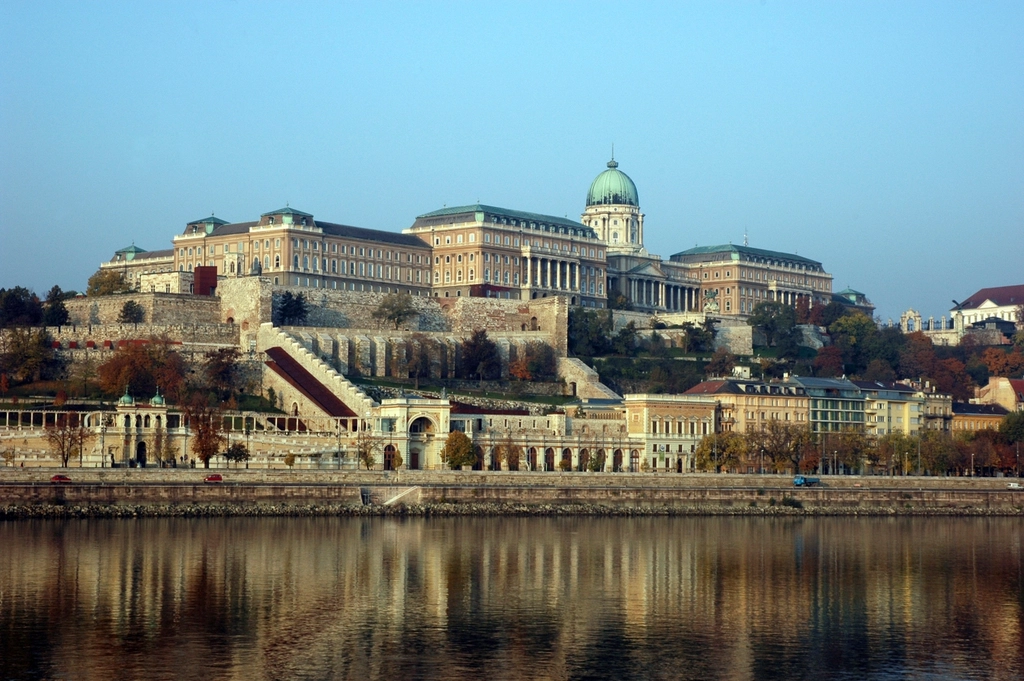
Dental implants in Budapest cost less than in the UK at the clinics we checked that price in pounds or give a pound conversion, but the price you see depends on what is included. Helvetic Clinics in Budapest lists a Neodent implant with abutment at €690 (£593 at its own conversion rate) and a zirconia crown at €430 (£370). Dental Centre Hungary lists a single-tooth implant package in Budapest at £1079. UK clinics on our city pages start at £1,495 in Edinburgh and £2,499 in London. Below are the published prices from four Hungarian clinics, the official UK advice on treatment abroad, and the questions to ask before you book.
What do Budapest clinics charge for a dental implant?
A single implant with crown comes to €1,120 at Helvetic Clinics (€690 + €430) and 260,700 Ft at Implantcenter with a Dentium implant (132,000 Ft + 128,700 Ft). Here is what each clinic publishes:
| Clinic | Implant (as listed) | Crown on implant (as listed) | Notes |
|---|---|---|---|
| Helvetic Clinics (Budapest) | Neodent Helix GM, including abutment and healing screw: €690 (£593) | Standard monolithic zirconia crown: €430 (£370) | Prices are fixed in euros; the clinic converts to pounds at 0.86 |
| Implantcenter (Margit krt., Budapest) | Dentium implant 132,000 Ft; Camlog implant 220,000 Ft | Zirconia crown on implant 128,700 Ft (listed as an offer price) | Price list in Hungarian forints |
| Semmelweis Premium | Straumann SLActive implant placement 250.000 Ft | Zirconia restoration on implant, with abutment, 80.000 Ft | The list says the restoration is priced individually according to technical costs |
| Dental Centre Hungary (London office, Budapest surgery) | Implant package, single tooth replacement: £1079 | Zirconium full ceramic crown for implant: £380 | The package is not itemised, and the page footer shows 2021 |
Prices are copied exactly as each clinic shows them, in the clinic’s own currency, and we have not converted them. They are one clinic’s published price each, checked on 14 October 2026, and your quote after a scan can differ. Hungarian price lists sometimes use a full stop to separate thousands, as Semmelweis Premium does.
Helvetic Clinics is one of the few that gives both currencies: it says “our prices are fixed prices in Euros” and that its pound list “is converted at an exchange rate of 0.86”. If you pay in euros, the pound cost moves with the exchange rate.
Is it safe to have implants in Budapest?
The UK dental regulator cannot vouch for dentists in Hungary. The General Dental Council says: “We can’t guarantee another organisation like us exists in other countries, or even that the standards will be the same as they are here.” It suggests you research the local rules first: “Does that country have a professional regulatory body? Is it compulsory for dental professionals to be registered with them?”
Two more points from official UK guidance:
- The GDC: “You should always be assessed by a qualified dentist before being given a treatment plan and cost estimate.”
- The TravelHealthPro factsheet on travelling for treatment from NaTHNaC: “Medical advice from an administrator, a travel agent, or member of a sales team is not acceptable.” It adds that the British Dental Association “strongly advise anyone considering treatment abroad to check a dentist’s qualifications and experience and whether they are insured if things go wrong”.
How do Hungarian prices compare with UK prices?
To compare, here are UK prices in pounds. We have not converted the Hungarian prices above, so check the exchange rate on the day you get a quote. On 14 October 2026 we checked the fee pages of clinics in six UK cities. These are the published starting prices for a single implant in each city:
| City | Clinics checked | Starting price for a single implant |
|---|---|---|
| London | 10 | £2,499 to £4,250 |
| Manchester | 10 | £2,100 to £3,140 |
| Birmingham | 10 | £2,100 to £4,280 |
| Glasgow | 10 | £2,200 to £4,169 |
| Edinburgh | 10 | £1,495 to £3,500 |
| Bristol | 10 | £2,500 to £3,830 |
Starting prices do not all cover the same work. The NHS describes the treatment like this: “a titanium screw is placed into the jaw bone to support a crown, bridge or denture.” Some clinics price the screw, the abutment that joins it to the tooth and the crown separately, so compare totals. For a like-for-like figure, Forest & Ray Bloomsbury in London lists an implant with the crown included from £2,499. Each city page shows what every clinic’s price covers, and the UK cost guide links to all of them.
Who pays if something goes wrong in Hungary?
In most cases you do. Official UK guidance makes these points:
- Your GHIC covers state healthcare only. The FCDO travel advice for Hungary says: “To get medically necessary state healthcare in Hungary, you need a Global Health Insurance Card (GHIC) or a European Health Insurance Card (EHIC).” It lists private healthcare and private clinics among the costs a GHIC or EHIC does not cover, and adds: “A GHIC or EHIC is not an alternative to travel insurance.”
- The GHIC and EHIC do not help with the implant itself. GOV.UK: “Your EHIC or GHIC does not cover going abroad for elective surgery or any planned treatment.”
- Ordinary travel insurance usually excludes it. The NHS says: “Most travel insurance policies will not cover you for planned treatment abroad, so you may need specialist cover.” Its checklist also tells you to “tell your insurer about your plans to have treatment abroad”.
- The NHS will not refund it. The NHS treatment abroad checklist says: “You cannot get reimbursement for dental treatment.”
- The Foreign Office will not step into a dispute with the clinic. GOV.UK says: “Planned medical treatment is considered a commercial arrangement.”
What should you ask a clinic in Budapest before booking?
Ask the questions the GDC lists for anyone going abroad for dental treatment, and get the answers in writing. From its patient guidance:
- “Who will be carrying out my treatment and what qualifications do they have?”
- “Are you regulated by a professional body and are you registered with them?”
- “Is the work guaranteed for a certain period of time?”
- “What aftercare do you provide?”
- “If there are complications and I need further treatment, is this included in the initial cost?”
- “What happens if I am unhappy with the results? Who pays for the extra flights, hotel and remedial work?”
- “Do you have a complaints system in place? Can I see a copy of it?”
TravelHealthPro adds that “a written contract from the clinic or hospital should be provided.” The NHS checklist says to think carefully before booking if there is “a hard sell”, “pressure to make a quick decision”, “no discussion of possible complications” or “no mention of aftercare”.
What happens with aftercare back in the UK?
Plan for problems to be fixed privately, either back in Hungary or at a UK practice. The NHS says “implants are usually only available privately and are expensive”, and TravelHealthPro warns: “Follow-up care might not be easily available and may not be covered by the NHS.”
- Tell your own dentist before you go. The GDC says it is “always a good idea to speak to your own dentist before considering travelling abroad for your treatment”, because “they will also need to be aware of your plans in case of any later complications.”
- Bring your records home. TravelHealthPro: “Travellers should ensure they have copies of all overseas medical records, including x-rays and scans, before departure”.
- Budget for return trips. The NHS checklist asks you to make sure you have “factored in fluctuating exchange rates, the possibility of extending your stay if necessary and the cost of possible return trips.”
Our guide to dental implant complications and risks explains what can go wrong after placement.
Other destinations UK patients compare
- Dental implants in Turkey
- Dental implants in Poland
- Dental implants in Croatia
- Dental implants in Albania
- Dental implants in Romania
- Dental implants in Spain
- Dental tourism savings calculator
- All-on-4 dental implants in the UK
- Best dental implant brands in the UK
- Paying for implants in the UK with finance
Frequently asked questions
How much does a dental implant cost in Budapest?
At Helvetic Clinics, a Neodent implant with abutment is €690 and a monolithic zirconia crown is €430, so €1,120 together. Implantcenter lists a Dentium implant at 132,000 Ft and a zirconia crown on an implant at 128,700 Ft. Dental Centre Hungary lists a single-tooth implant package at £1079.
Are Budapest implant prices quoted in pounds?
Some are. Helvetic Clinics fixes its prices in euros and converts them to pounds at 0.86. Dental Centre Hungary prices in pounds. Implantcenter and Semmelweis Premium list prices in forints.
Does my GHIC cover dental implants in Hungary?
No. The GHIC covers medically necessary state healthcare. The FCDO lists private clinics among the costs it does not cover, and GOV.UK says a GHIC or EHIC does not cover planned treatment.
Can the NHS help if my Hungarian implant fails?
Do not rely on it. The NHS says implants are usually only available privately, and TravelHealthPro warns that follow-up care may not be easily available and may not be covered by the NHS. Tell your own dentist about your plans before you travel.
What should I ask a Budapest clinic?
The GDC suggests asking who will carry out the treatment and what qualifications they have, whether they are registered with a professional body, whether the work is guaranteed, what aftercare they provide, and who pays for flights, hotel and remedial work if something goes wrong.